

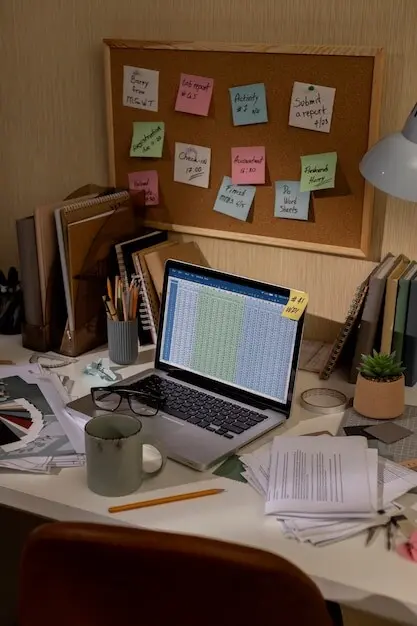

Give each note a claim, supporting evidence, and an example that matters to your work. Then insert a short retrieval prompt that asks you to restate the claim from memory and apply it to a current project. This triad creates a built‑in review loop without extra tools. When the example updates, your brain refits the concept. The structure is minimal, yet it nudges you toward synthesis rather than accumulation, turning passive highlights into reliable, reusable building blocks.
Use properties like last_reviewed, stability, and next_test to guide resurfacing, even if your primary scheduler lives elsewhere. Tags such as concept, method, or hazard allow filtered sessions that interleave domains intentionally. A concept tagged hazard, for instance, might appear sooner during a high‑stakes week. These tiny signals reduce decision fatigue while keeping autonomy. You remain the curator, but your system whispers timely suggestions, ensuring fragile insights do not quietly fade behind new, shinier inputs arriving every busy morning.
A good template is an invitation, not a prison. Keep fields for claim, sources, counterpoint, prompt, and connection candidates. Add a quick property for interval hints. When capture is effortless, you record more living ideas, not just inert quotes. During review, glide through prompts baked into the note, then promote mature insights to longer intervals. Over time, you notice fewer fragmented scraps and more durable scaffolds, because templates offload drudgery and let curiosity steer the work consistently forward.

Capture once in your daily note, then route prompts to a review queue automatically. A heading or hashtag can trigger conversion, assigning fields for question, answer, and context link. The original note remains the source of truth, so updates ripple outward. This protects coherence: you do not end up with a zombie flashcard divorced from its parent idea. The same capture powers spaced rehearsal, writing drafts, and meeting prep, turning each insight into multiple helpful surfaces over time.

Nothing kills concentration like switching apps mid‑thought. Use hotkeys or inline syntax that marks a sentence as a cloze or prompt while you keep typing. A background process can export everything later. Timestamps link back to the paragraph where the idea emerged, anchoring memory to narrative. This preserves flow for drafting while still planting future review points. The result is a calmer session where writing, thinking, and scheduling cooperate instead of wrestling for your limited attention and energy.

Bridges fail when sync breaks or conflicts create duplicates. Establish a nightly export routine and a weekly reconciliation pass. Store IDs in both systems so round‑trips remain stable. Log errors visibly, not silently, and keep a tiny manual lane for rescuing edge cases. Over time, reliability builds trust, and trust fuels consistency. When your system proves faithful, you show up. When it surprises you with just‑in‑time questions, you smile, because the scaffolding finally feels like a creative partner.
Plot recall against context richness: do prompts with examples and backlinks outperform bare definitions for you? Annotate dips with life events or workload spikes to build compassion into your charts. Add a field for applied wins so graphs remind you why this matters. Simple visuals can nudge powerful behavior changes, such as revising templates rather than simply increasing volume. When your dashboard tells a story, you listen, because numbers finally point toward humane adjustments instead of empty vanity metrics.
Once a week, replace standard reviews with a scenario sprint: pick a current project and answer only prompts that apply directly. If a question feels irrelevant, either link it to the project or retire it gracefully. This practice aligns memory with momentum. The brain loves immediacy; usefulness cements recall. You leave the session with a decision advanced, not merely a queue cleared. Over time, irrelevant items shrink, and your system earns a reputation for pragmatic support, not bureaucratic busywork.
All Rights Reserved.